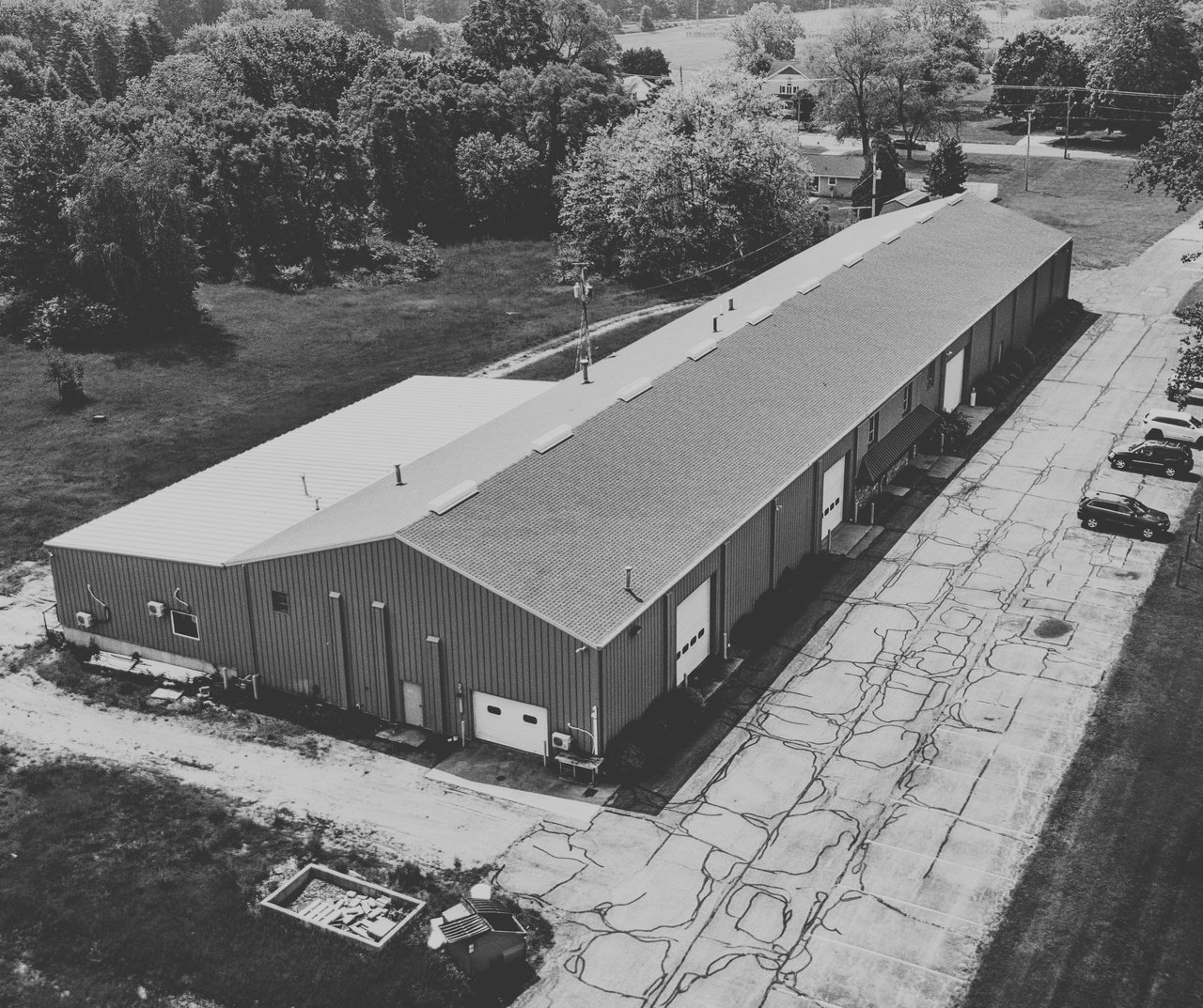
The Midwest has quietly reasserted itself as one of the most important industrial real estate regions in the U.S. Driven by logistics efficiency, population proximity, and manufacturing reshoring, warehouse demand across markets like Chicago, Columbus, Indianapolis, and Detroit remains structurally strong—even as the sector transitions into a more balanced phase.
From a broader market perspective, firms like Ellsbury Grosso have been closely tracking this shift, particularly the growing divergence between small-bay and large institutional assets.
Market Fundamentals: High Demand, But More Balanced
After the pandemic-era surge, industrial real estate has normalized—but not weakened. Instead, it’s stabilizing at historically healthy levels.
- Midwest vacancy averaged ~5.4% in late 2025, significantly tighter than the national average
- Leasing activity remains robust, with 49 million square feet leased in a single quarter
- Nationally, demand rebounded in late 2025 with over 533 million square feet leased annually
Even with new supply hitting the market, vacancy increases have been modest and are beginning to stabilize. The Midwest in particular has held up well due to its central location and role in national distribution networks.
At the same time, the market is bifurcating—performance differs significantly by asset size.
Under 5 Million (Typically Small- to Mid-Bay Assets)
Smaller industrial assets—generally under 50,000–100,000 square feet per tenant and often part of sub-$5M deal sizes—are among the strongest-performing segments.
Why They Perform Well
- Extremely tight vacancy (~4–5%), among the lowest of any industrial category
- Limited new supply due to high construction costs and lower scalability
- Strong demand from fragmented tenant bases
Typical Operators
- Local distributors and service companies
- E-commerce last-mile operators
- Light manufacturing and contractors
- Small 3PL firms and regional logistics providers
Investment Characteristics
- Higher cap rates relative to institutional assets
- Sticky tenancy (higher renewal probability)
- Operational intensity (leasing, turnover, management)
This segment benefits from a structural undersupply. Even as large-scale development surged post-2020, small-bay product was largely ignored—creating today’s tight conditions.
Large Assets (Big-Box / Institutional Warehouses)
Large-scale warehouses—typically 300,000+ square feet and often valued well above $50M—have experienced more volatility but remain critical to the logistics ecosystem.
Recent Performance Trends
- Vacancy has been higher, approaching ~9–10% for big-box space
- Oversupply occurred in some Midwest markets like Indianapolis and Columbus due to speculative development
- However, leasing is rebounding strongly, especially for modern facilities
Notably, leasing for large warehouses surged in 2025, with a 31% increase in leases over 500,000 sq ft—a sign that demand is catching up to supply.
Typical Operators
- National 3PL providers (largest tenant group overall)
- E-commerce giants and omnichannel retailers
- Big-box retailers (Walmart, Target-type users)
- Manufacturers and suppliers (especially tied to reshoring)
Investment Characteristics
- Lower cap rates, institutional ownership (REITs, pension funds)
- Long-term leases (10–20 years typical)
- Credit tenancy drives valuation stability
There is also a growing shift toward build-to-suit development, now accounting for a significant share of new construction, as tenants demand specialized, automated facilities.
Demand Drivers in the Midwest
Several structural forces continue to support industrial demand across both small and large assets:
1. Central Geography
The Midwest provides one- to two-day truck access to most of the U.S. population, making it ideal for distribution networks.
2. E-commerce + Logistics Evolution
Even as growth moderates, companies continue optimizing supply chains, increasing demand for:
- Last-mile facilities (smaller assets)
- Regional distribution hubs (large assets)
3. Reshoring & Manufacturing
Domestic production is rising, boosting demand for:
- Industrial outdoor storage
- Manufacturing-adjacent warehouses
- Supplier ecosystems near plants
4. Tenant Shift to Quality
Tenants increasingly prefer:
- Newer buildings (post-2020 vintage)
- Higher clear heights, automation-ready specs
- Energy-efficient and high-power facilities
Key Takeaways: A Two-Speed Market
The Midwest industrial sector is not slowing—it is segmenting.
- Small-bay / sub-$5M assets: Tight supply, strong rent growth, highly fragmented tenants. Operationally intensive but resilient.
- Large institutional warehouses: Temporarily elevated vacancy due to supply wave, but strong rebound in leasing—especially from 3PL and manufacturing users.
Overall, the region remains one of the most attractive industrial investment environments in the U.S., combining affordability, logistics efficiency, and durable demand.
Ellsbury Grosso highlights that the next phase of the cycle will likely continue favoring well-located, modern assets—regardless of size—but especially those aligned with evolving supply chain strategies.